Inclusive Wedding Language: Creating a Ceremony That Welcomes Everyone
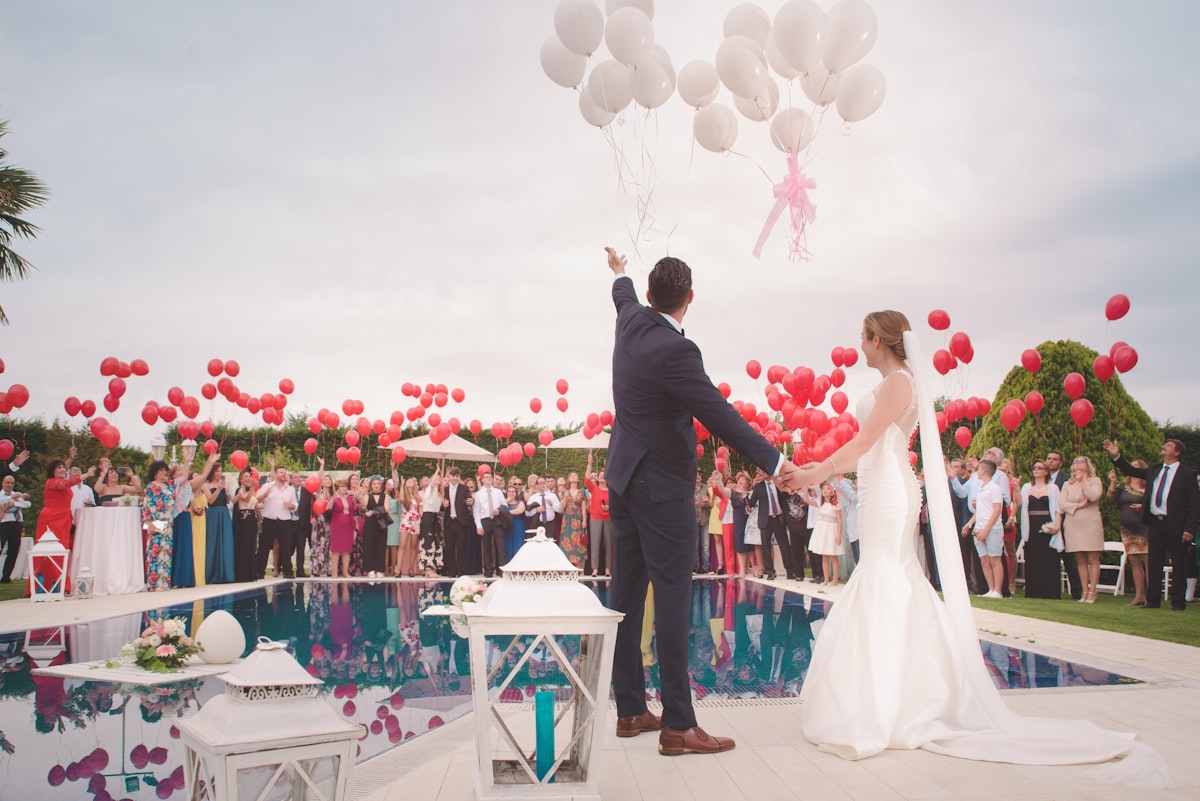
Creating a Ceremony Where Everyone Feels Welcome
Your wedding ceremony is a profound expression of your love story and values. Using inclusive language ensures that this special moment respects and honors all the important people in your lives, regardless of their gender identity, sexual orientation, family structure, cultural background, or abilities.
Why Inclusive Language Matters
The words we choose carry weight. Traditional wedding scripts often contain language that inadvertently excludes or alienates some guests or participants. Updating this language doesn’t diminish tradition—it expands it to embrace everyone present. When your ceremony language is inclusive, it creates an atmosphere where all guests can fully participate in celebrating your union.
Gender-Inclusive Language
Consider these alternatives to gendered terms:
- Instead of “bride and groom,” use “the couple,” “the newlyweds,” or simply your names
- Replace “husband and wife” with “spouses,” “partners in marriage,” or “married couple”
- Use “honored attendants” instead of “bridesmaids and groomsmen”
- Avoid phrases like “Ladies and gentlemen” in favor of “Honored guests” or “Dear friends and family”
Family-Inclusive Language
Families come in many forms:
- Rather than “giving the bride away,” consider “presenting,” “accompanying,” or “supporting” language
- Acknowledge step-parents, chosen family, and other significant relationships
- Use “parents” rather than “mother and father” when appropriate
- Consider a unity ritual that includes children or other family members if applicable
Culturally Inclusive Elements
Honor diverse backgrounds:
- Incorporate rituals from both partners’ cultural or religious traditions
- Provide translations or explanations of cultural elements for guests
- Ensure pronunciations of names and terms from other languages are correct
- Be mindful of appropriation versus appreciation when borrowing traditions
Accessibility Considerations
Make your ceremony accessible to everyone:
- Provide printed programs with the ceremony text
- Consider having an interpreter for deaf or hard-of-hearing guests
- Ensure the ceremony space is accessible for guests with mobility considerations
- Be mindful of ceremony length for those who may need to sit
Religious and Spiritual Inclusivity
Navigate diverse beliefs respectfully:
- If using religious elements, briefly explain their significance
- Balance references to specific faiths with universal themes of love and commitment
- Consider a moment of silent reflection that allows guests to connect in their own way
- Avoid language that assumes all guests share the same beliefs
Working With Your Officiant
As your officiant, I’m committed to crafting a ceremony that authentically represents you:
- Share your specific concerns about inclusive language
- Review the ceremony script thoroughly before the wedding day
- Discuss any family dynamics or sensitive relationships
- Let me know about any guests with specific needs
Remember that creating an inclusive ceremony doesn’t mean sacrificing meaning or tradition. Instead, it enhances the experience by ensuring that every person present can fully share in your joy. Your wedding can be a beautiful statement of your values as you begin your married life together.
I’m always available to discuss specific language concerns or suggestions as we craft your perfect ceremony. Sacramento is a beautifully diverse community, and I’m passionate about creating weddings that celebrate couples of every background, identity, and tradition. Together, we can create a moment that truly reflects the inclusive, loving community you’re building around your partnership.
Ready to plan an inclusive ceremony in Sacramento? Get in touch to start the conversation.
Related Articles


Ready to create your perfect ceremony?
I'd love to help you craft a wedding ceremony that perfectly reflects your love story and values.
Get in Touch